


Helpful advice for rat owners
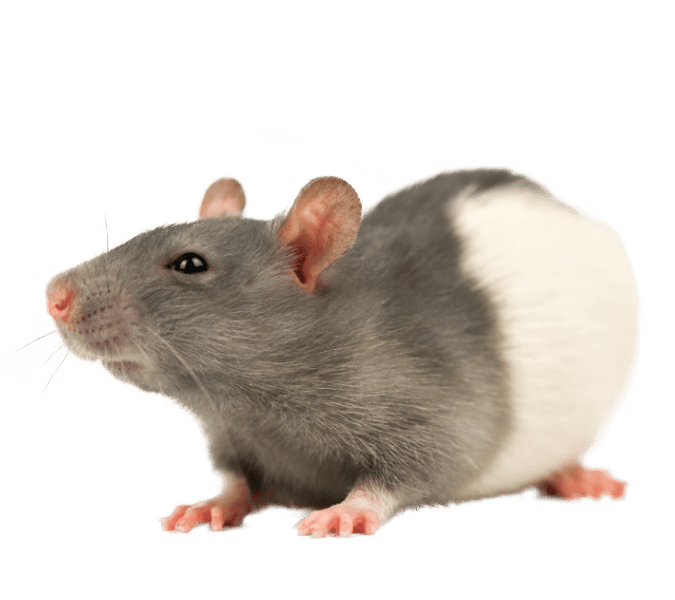
Rats should be kept in pairs and generally live for an average of 2-3 years. They need lots of attention and social interaction and they should have at least one hour of exercise outside their cage daily.
Rats are daytime sleepers so it’s best to feed and handle them in the morning and the evening.
Looking after your rat
Rat housing & care
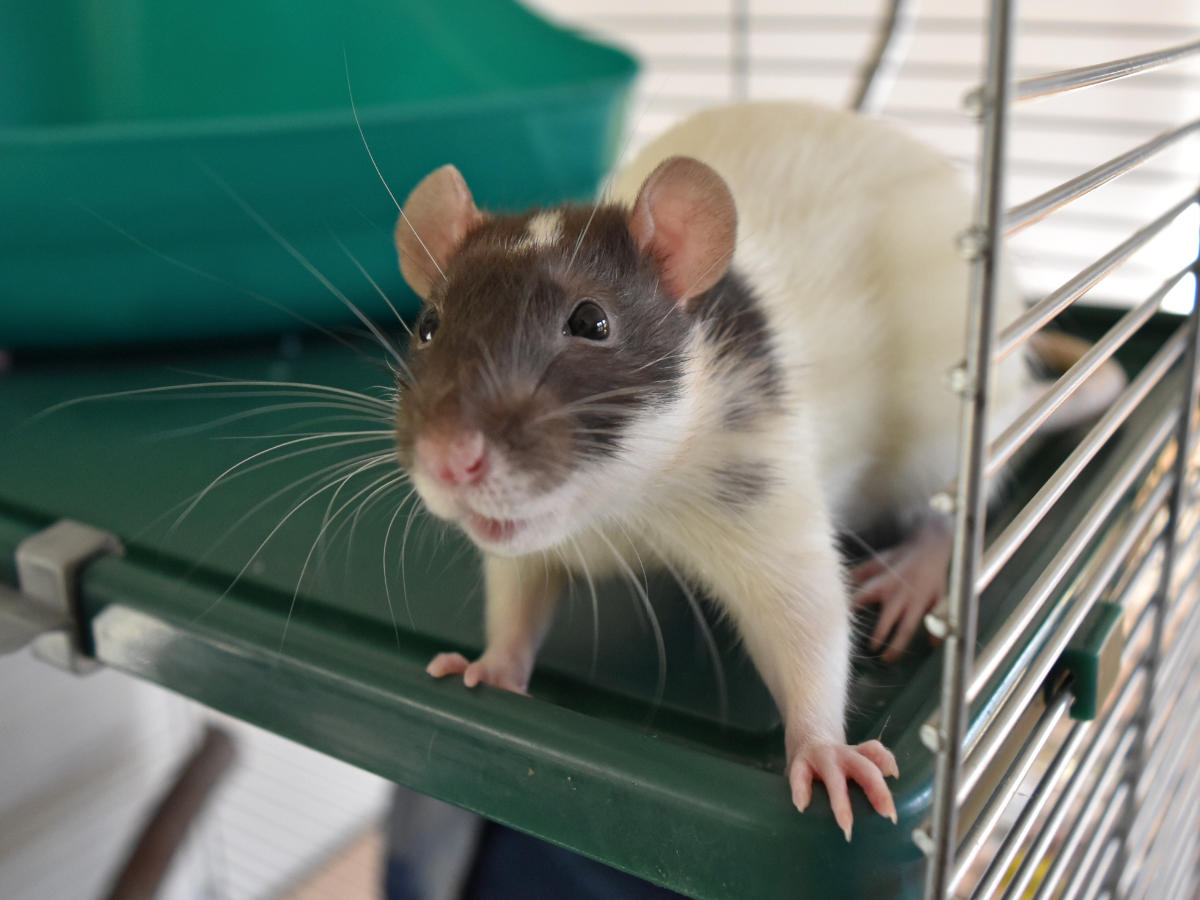
Rats need a large wire cage, preferably multi-layered that gives lots of space for the rats to run, climb and explore. The floor should be solid to prevent injuries to their feet. There should also be a nest box for them to hide and rest.
The ideal temperature should be 19C-23C and the cage should be away from strong smells like air fresheners or smoke, as rats have a very good sense of smell.
Keeping your rat entertained
Rats love playing and exploring and they need at least one hour outside their cage every day to exercise. They are very active and inquisitive animals, so nest material, solid wheels and toys should be provided within the cage.
Replaceable cardboard rolls and boxes often provide the best entertainment as rats can be very destructive. Food trails and hiding treats can also keep them entertained.
Rat bedding
Rats spend lots of time sleeping and like to hide in safe, dark hideouts. Make sure there is a good level of bedding material such as wood chips (non-aspen), cellulose-based chips or shredded paper. Avoid dusty bedding such as sawdust or any scented/coloured bedding.
You should check their cage every few days and remove any dirty bedding as a dirty cage can cause breathing problems and lung infections in rats. When doing a full clean don’t forget to keep some of the old bedding back as this has the rat's scent on and will help to make the cage smell like home.
Feeding rats
Rats are omnivores, they feed mainly at dawn and dusk, and drink mainly at night. Feed your rat twice daily and remove any uneaten food each time you feed them.
They can be fed commercial rat pellets with additional small amount of fresh vegetables (rocket, broccoli, cauliflower, spinach, savoy and spring cabbage, sugar snap peas) and fruit (ripe banana, melon, apples with the seeds removed and pears with the seeds removed). Be careful as some foods are toxic to rats - for example, onion, citrus fruits, grapes, raisins and chocolate. If you are unsure if a food is safe please contact the surgery to check.
Rats can be prone to putting weight on so keep treats to a minimum and spread the food out in their cage so they can forage for their food - a natural behaviour for rats.
Rats should have a continuous supply of fresh water, preferably in a bottle to prevent contamination. Water bottles should be checked twice daily and cleaned regularly to prevent algae and bacteria build up.
Useful websites
Rat health problems
Regular check-ups
Even if rats are well, it’s still a good idea to take them for regular check-ups. The vet can check if the teeth are growing correctly and provide advice on weight and neutering etc..
Rats are prey animals - as such they don’t show outward signs of pain and may be suffering before you realise.
Dental problems in rats
Rats’ teeth grow continuously, and gnawing helps to wear the teeth down. Rats should be given items to gnaw like commercially available wooden items and apple wood branches.
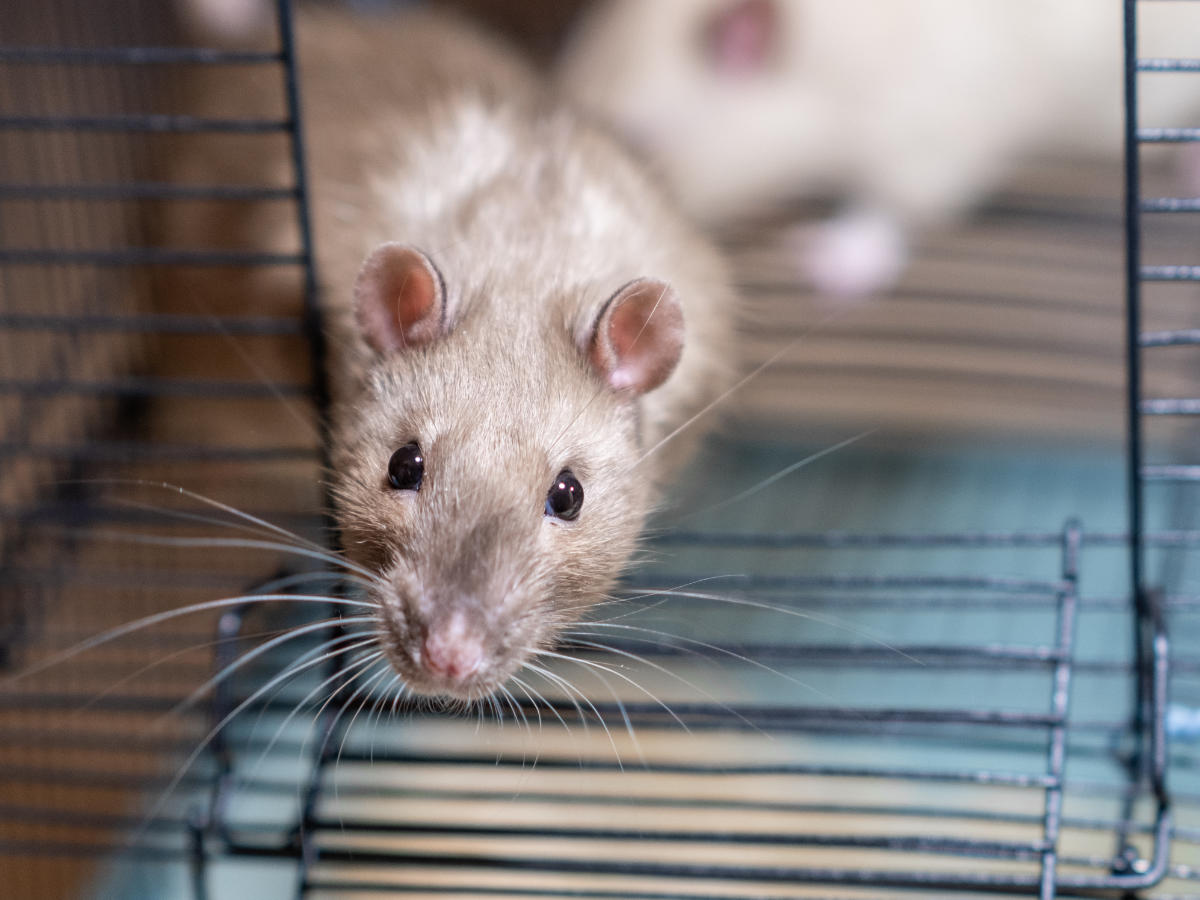
If your rat is gnawing at the cage bars, this can be a sign of boredom and frustration. The rat probably needs a much bigger cage and new entertainment or puzzles.
Common rat illnesses
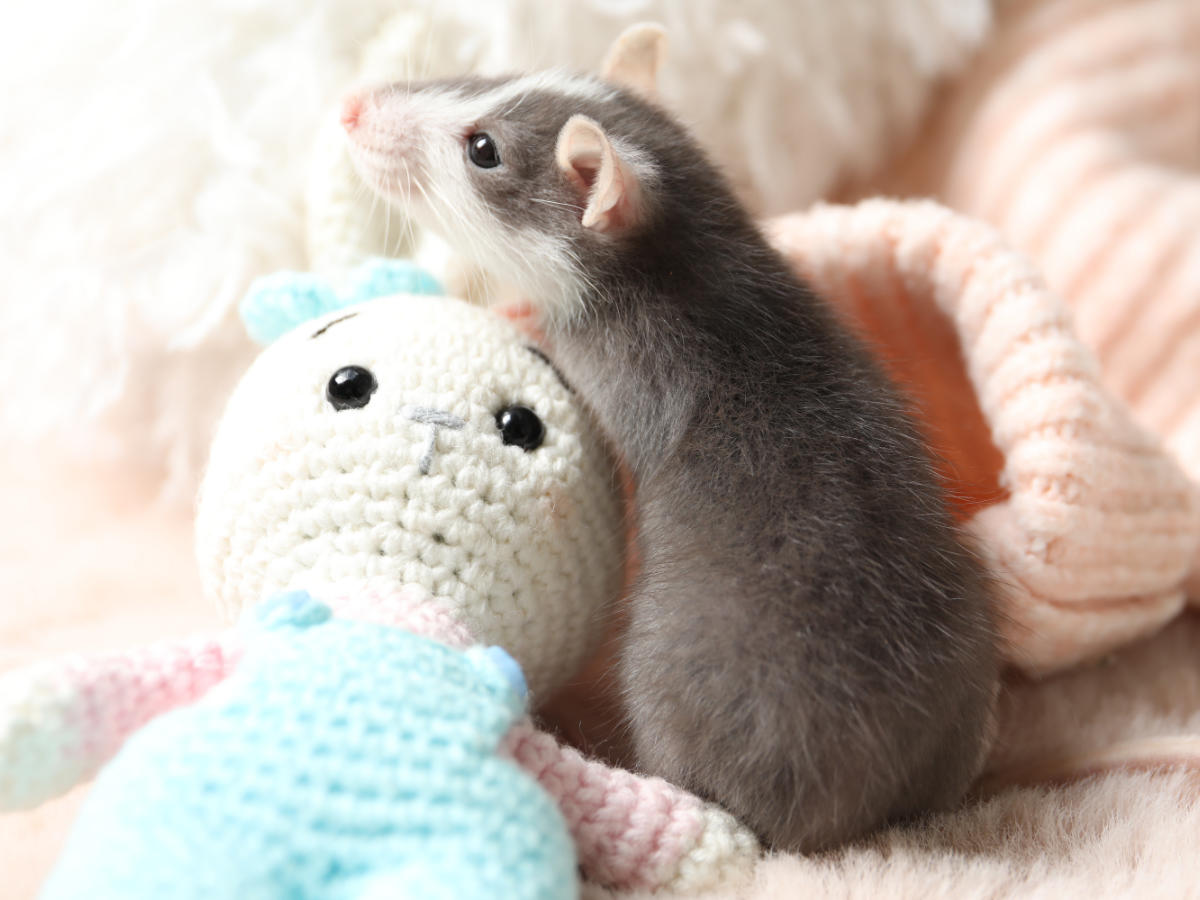
Respiratory disease is the most common problem in rats - your rat may breathe with their mouth open, sneeze frequently or have laboured/wheezy breathing.
Rats can develop tumours as they get older and this is more common in females. Some cancers are more serious than others so you should always get any lumps checked.
When to see a vet
If you have any concerns about your rat please contact the surgery.
Rats are prey species and often don’t show early signs of being ill. If your rat is not eating, drinking more or less than usual, losing or putting weight on, has diarrhoea, sneezing, wheezing or is breathing abnormally, has sunken eyes, is avoiding social interaction or any other concerns please contact the surgery
We're an RCVS accredited practice
Hafren Vets is accredited by the Royal College of Veterinary Surgeons

What our customers say...

I have always found Hafren Vets to be caring, friendly, and professional. A special mention must go to Lucy on reception in Newtown, who is exceptional at her job. She is always welcoming, helpful, and compassionate, and has made difficult times much easier. Her kindness and professionalism are truly appreciated.
Julie Joynes
Llanerfyl
Since we moved to Newtown 49 years ago, we have always dealt with Hafren Vets and have found them to be very conscientious and excellent in what they do. Vets do come and go which is part of life but in our experience, they have always been replaced by someone who is as efficient as the previous one.
Lynn Rennett
Trefeglwys
Tom was my beloved companion for many years. When he completely lost one of his claws, the team at Hafren Vets treated him with such care and professionalism, removing part of his toe so it could heal properly. Thanks to their expertise, Tom made a great recovery and was soon back to his usual self. The staff were always so fond of Tom, who was well known as one of the biggest cats to visit the practice! He will always hold a special place in my heart, and I'll always be grateful to the team at Hafren Vets for the wonderful care they gave him.
Julie Rogers
Newtown
On relocating here 20 years ago, my main priority was to find a first-class veterinary practice for my 7 dogs. Locals recommended Hafren Vets & I'm very pleased they did. The staff, from reception, nurses & vets are friendly, professional and approachable. The out of hours service is second to none. It's so reassuring to know that help is always there, whatever the time. I have built up a good relationship and, more importantly, trust with this practice & am grateful for all their excellent care & work.
Barbara Wharton
Dolfor
I have taken my beloved pets to Hafren Vets for many years , we have always found all the vets , nurses and receptionists to be very friendly, helpful and professional at all times , I wouldn’t hesitate to recommend their services and will continue to put my trust in the team always.
Julie Woolnough
Newtown
Without the support, knowledge and advice from the nurses at Hafren Vets, these changes to Ruby’s health and wellbeing would have proved much more unmanageable.
Chloe Stanier
Newtown